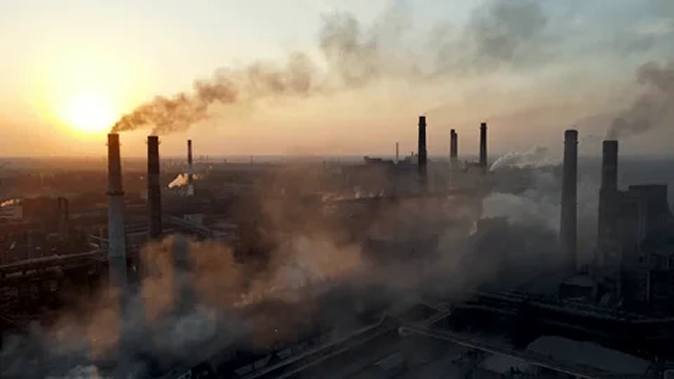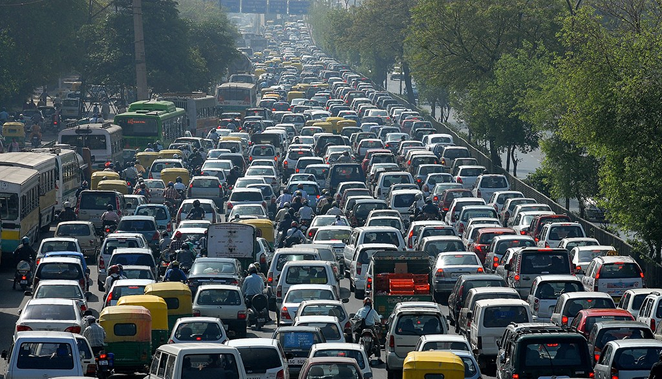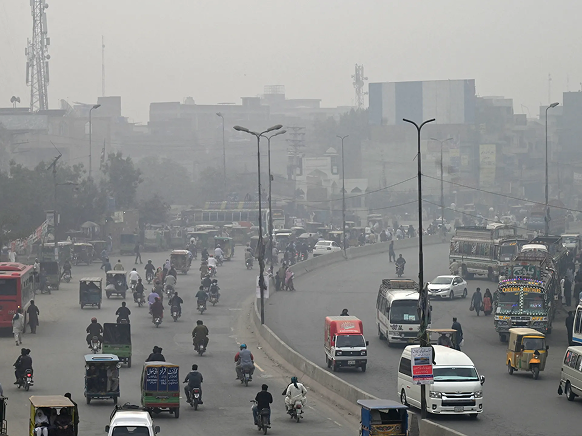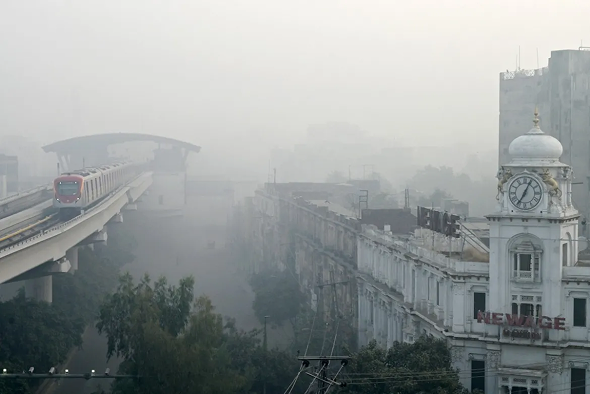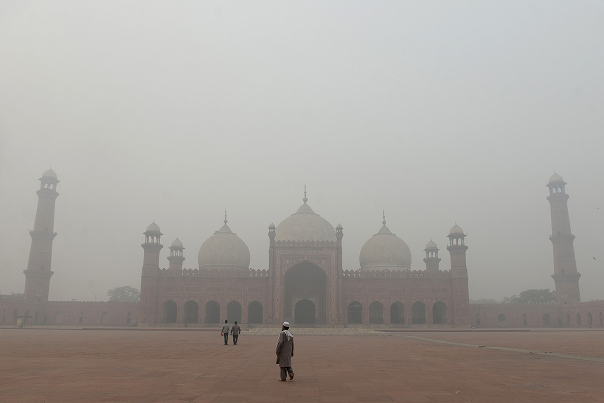
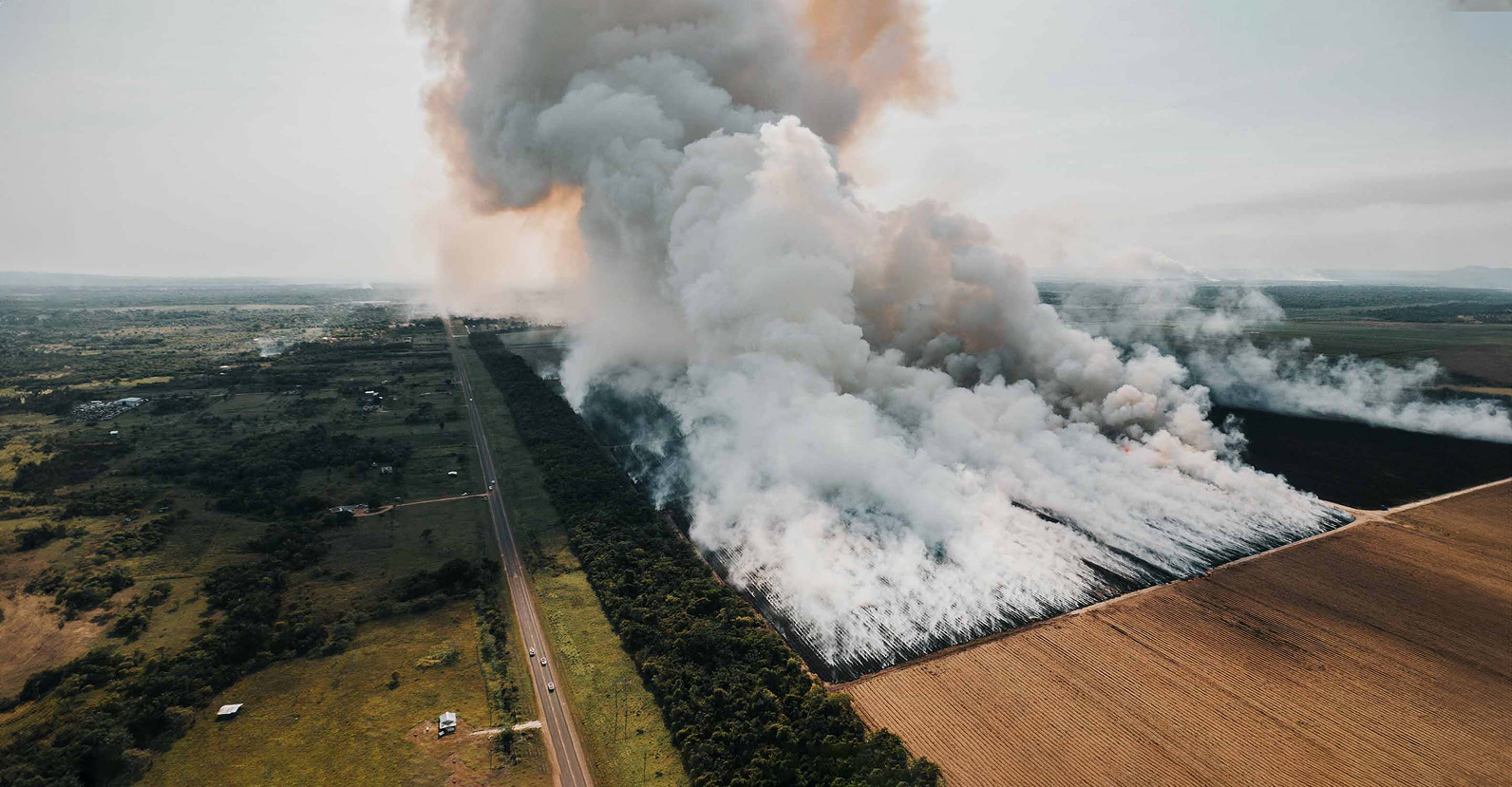
Lahore, the capital city of Punjab, frequently experiences severe air pollution episodes due to a combination of industrial emissions, vehicular pollution, agricultural burning, and rapid urban expansion. These factors, combined with seasonal meteorological conditions, often result in prolonged smog events that significantly affect public health and environmental sustainability.
This project conducted a comprehensive situational analysis of Lahore’s air quality by examining historical environmental data, pollution sources, and monitoring systems. The study evaluated long-term trends in major pollutants such as PM2.5, PM10, sulfur dioxide (SO2), nitrogen dioxide (NO2), and carbon monoxide (CO), while also assessing the frequency and severity of smog events over the past decade. The analysis provided a detailed understanding of pollution sources, their environmental impacts, and the effectiveness of existing regulatory frameworks.
What we’ve Done
The consultancy focused on delivering a comprehensive environmental assessment to support improved policy development and pollution mitigation strategies.
• Collection and analysis of 10 years of air quality monitoring data
• Evaluation of major pollutants including PM2.5, PM10, SO2, NO2, and CO
• Trend analysis of air pollution levels and smog incidents
• Identification of key pollution sources through source apportionment studies
• Assessment of existing monitoring systems and environmental policies
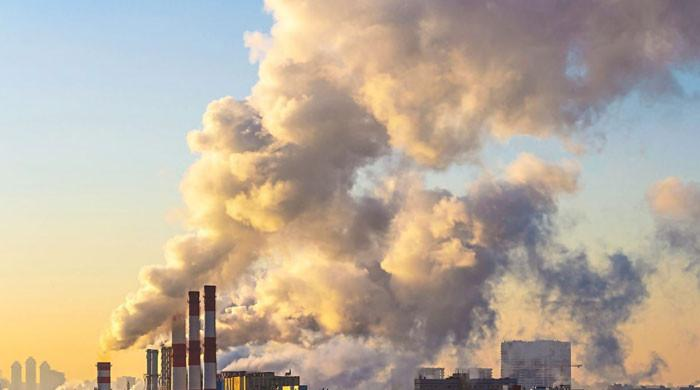
Creative Process
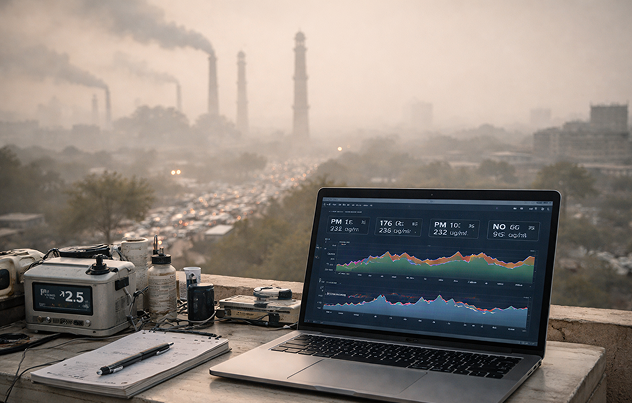
The analysis was conducted through a combination of data-driven research and policy evaluation. Historical environmental data was integrated with scientific research studies and monitoring station records to build a comprehensive understanding of air pollution trends in Lahore.
The project also applied international environmental health assessment frameworks to evaluate the impact of pollution on public health. This structured analytical approach ensured that the findings could support practical recommendations for regulatory reforms and environmental policy improvements.
Building A Successful Client–Environment Relationship
The project emphasized collaboration with environmental agencies, academic institutions, and policy stakeholders. Through continuous engagement and transparent reporting, the study aimed to bridge the gap between scientific research and practical policymaking.
Benefits
The situational analysis provides a strong foundation for developing evidence-based environmental strategies. The insights generated from the study help policymakers better understand pollution sources, evaluate regulatory effectiveness, and design targeted interventions to reduce smog and improve urban air quality.