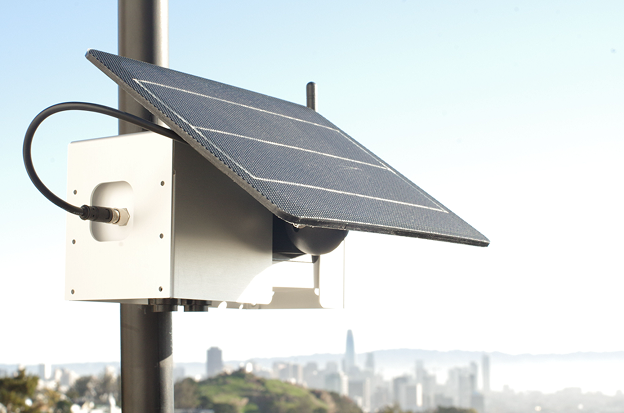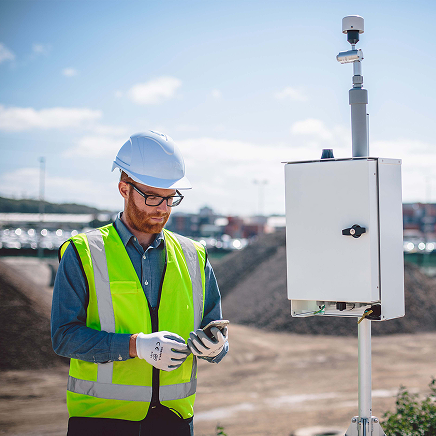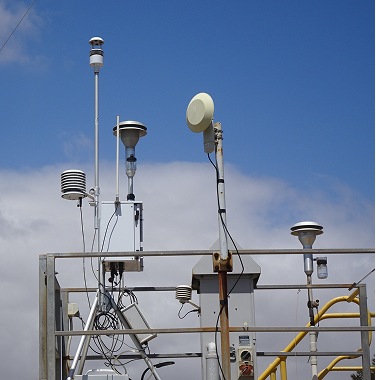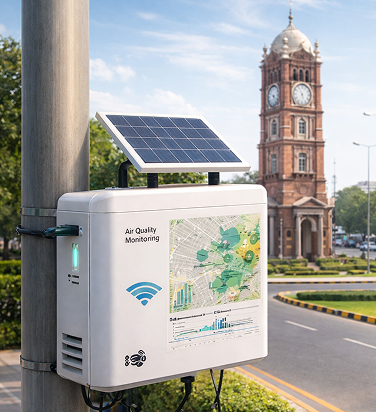
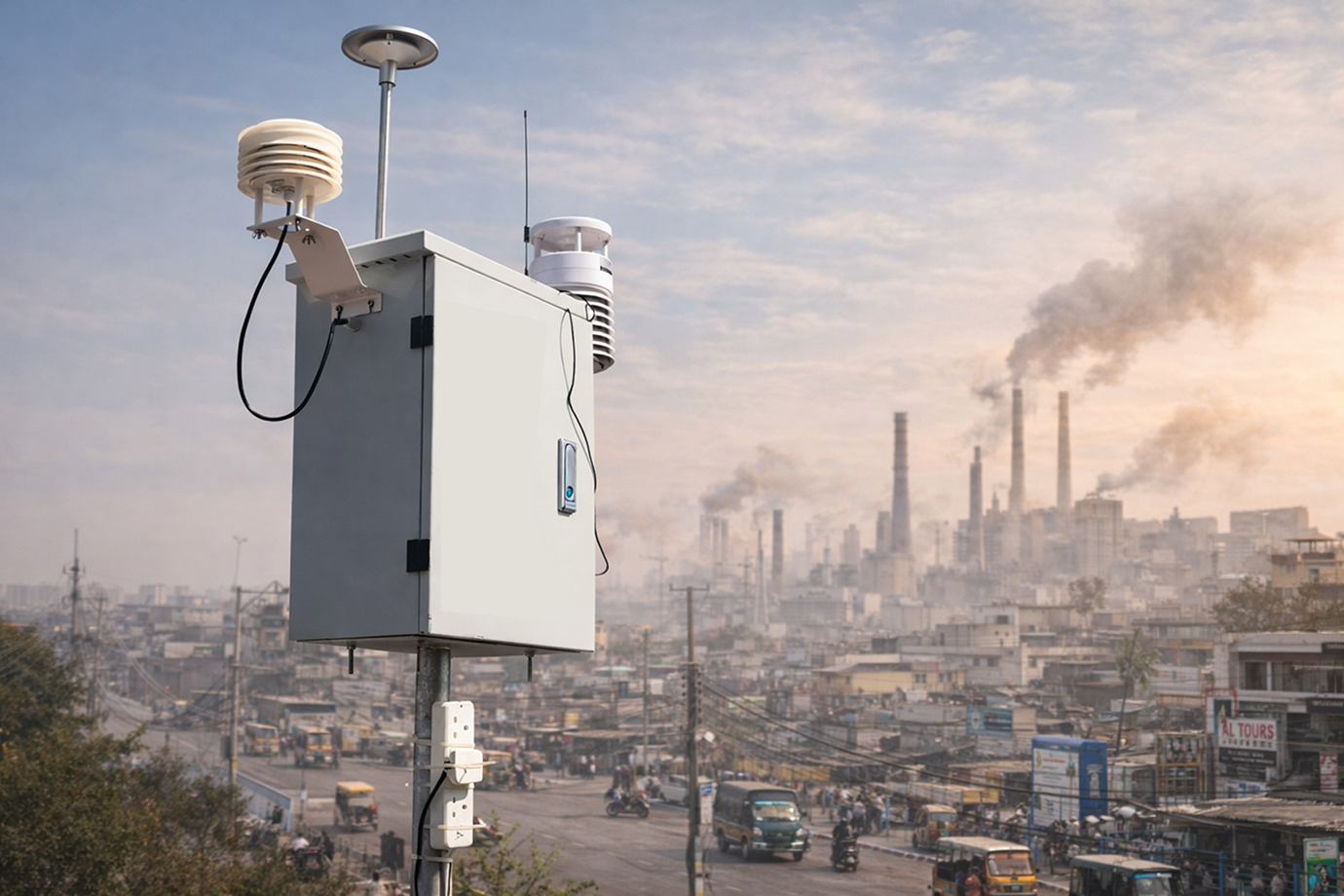
Air pollution has become one of the most pressing environmental challenges in rapidly growing urban centers of Pakistan. This project focused on generating reliable and continuous air quality data in Faisalabad through the deployment of a network of low-cost PM2.5 monitoring devices across industrial zones, commercial areas, and residential neighborhoods.
The monitoring stations provided real-time measurements of particulate matter concentrations throughout the year, allowing the development of a comprehensive dataset on pollution levels and fluctuations across the city. Data collected from the monitoring network was securely stored through a cloud-based system and made openly accessible to support transparency and public awareness. By identifying pollution hotspots and temporal patterns, the project provided critical evidence to support environmental policy development and air quality management initiatives.
What we’ve Done
The consultancy focused on developing a practical monitoring framework that combines sensor deployment, cloud infrastructure, and policy-oriented data analysis to address urban air pollution challenges.
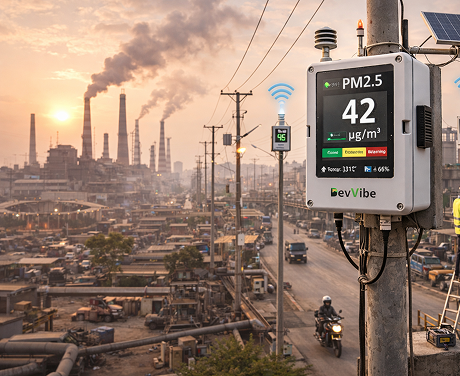
• Deployment of PM2.5 monitoring devices across industrial, commercial, and residential areas
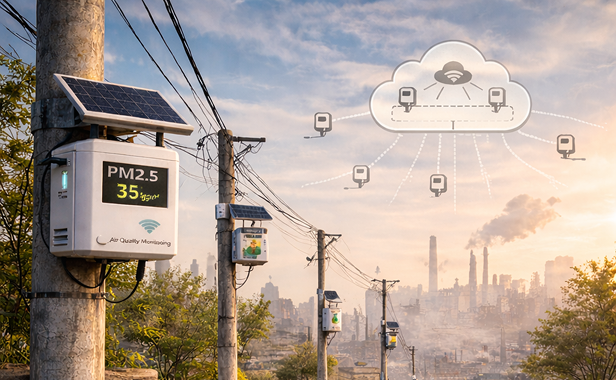
• Real-time device-to-cloud data logging and storage system
• Open-access environmental data platform for analysis and public reporting
• Identification of pollution hotspots and air quality patterns
• Engagement with policymakers, NGOs, and community stakeholders
Creative Process
The project adopted a technology-driven environmental monitoring approach. By integrating low-cost sensors with a secure cloud-based data infrastructure, the system enabled continuous monitoring of particulate pollution across different urban zones.
Data collected from the monitoring stations was processed and analyzed to identify spatial and temporal pollution patterns. This approach helped transform raw environmental data into actionable insights that can guide environmental planning and regulatory improvements.
Building A Successful Client–Environment Relationship
Collaboration with environmental organizations, policymakers, and local stakeholders was essential to ensure the impact of the project. The initiative helped create a platform where scientific data, policy dialogue, and public awareness efforts could converge to support better environmental governance.
Benefits
The project established an accessible and scalable air quality monitoring system capable of supporting evidence-based environmental policy. The generated dataset provides valuable insights into pollution trends, enabling authorities and environmental organizations to design targeted interventions aimed at improving public health and urban environmental quality.