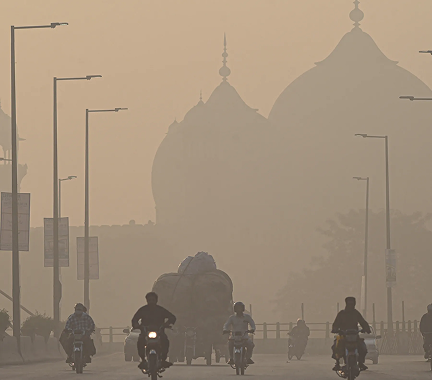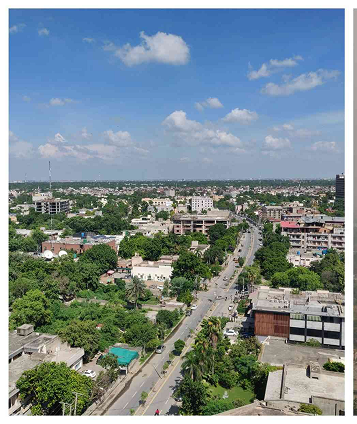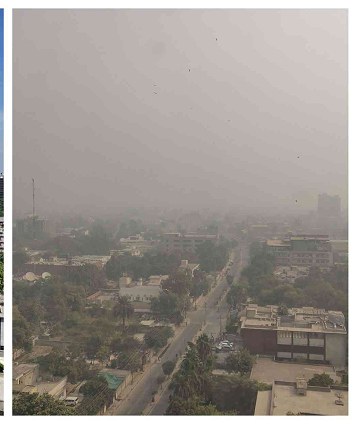

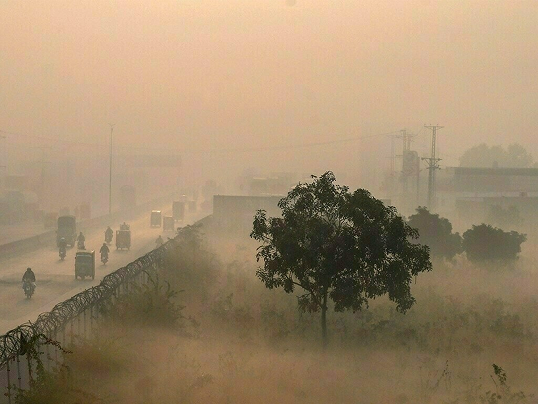
This research project investigated the concentration and chemical composition of PM2.5 particles in Lahore during both smog and non-smog conditions. The project was funded through a research grant provided by the Higher Education Commission (HEC) of Pakistan and aimed to better understand the sources and environmental impacts of fine particulate pollution.
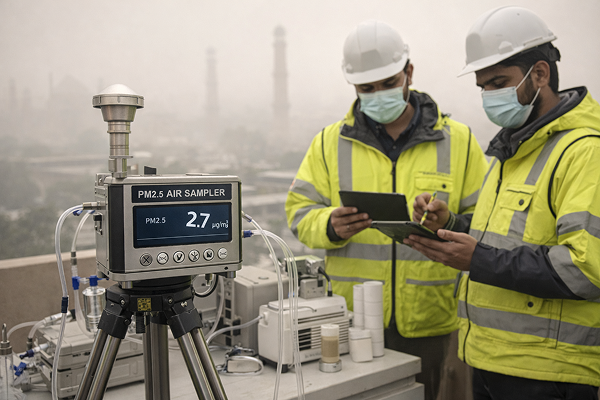
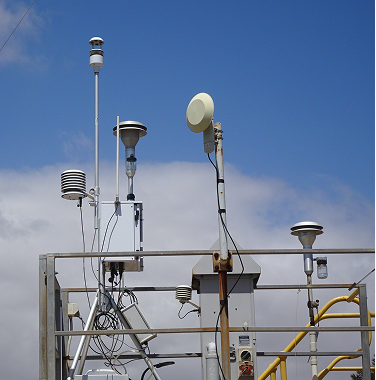
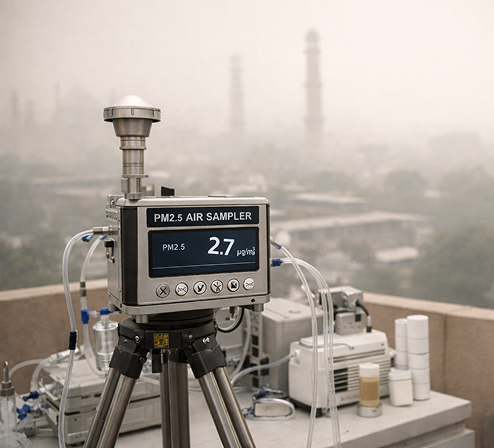
A prototype PM2.5 sampling system was developed to conduct field measurements and collect air samples for laboratory analysis. These samples were analyzed to determine the chemical composition of particulate matter, enabling the identification of key pollution sources contributing to smog formation in the region. The findings provide valuable scientific data that can support environmental research and policy development related to climate change and air pollution mitigation.
What we’ve Done
The consultancy led the research initiative and technical development of monitoring tools required for advanced particulate matter analysis.
• Development of a prototype PM2.5 sampling system for field monitoring
• Collection of air samples during smog and non-smog conditions
• Laboratory analysis of chemical composition of particulate matter
• Source identification of pollution contributing to smog formation
• Generation of research data for environmental policy development
Creative Process
The project combined experimental environmental research with technological innovation. The prototype sampling system was designed and developed in-house to support detailed field measurements of particulate matter.
Collected samples were analyzed to determine their chemical and ionic composition, enabling researchers to identify the likely sources of pollution such as vehicular emissions, industrial activity, or biomass burning.
Building A Successful Client–Research Relationship
Collaboration with academic institutions, environmental organizations, and policy stakeholders ensured that the research findings could contribute to broader environmental initiatives and climate change mitigation strategies.
Benefits
The project successfully produced a functional PM2.5 sampling prototype and generated critical environmental data that can support future research and policy planning. The insights derived from the study contribute to a deeper understanding of smog formation and can help guide national strategies aimed at improving air quality and addressing climate change challenges.